
LED lights are known for efficiency and longevity, yet many homeowners still deal with flickering, partial failures, or lights that stop working altogether. When these issues appear, people often search how to fix LED lights without realizing that lighting problems can point to deeper electrical concerns. While some fixes are simple, others signal wiring, compatibility, or load issues that should not be ignored.
At Super Fast Electric our licensed electricians help homeowners diagnose LED lighting problems correctly the first time. This guide breaks down the three most common LED light problems, explains why they happen, and shows how to fix them safely while avoiding long-term electrical damage.
Why LED Light Problems Should Not Be Ignored
LED lighting systems rely on stable voltage, compatible components, and proper installation. When something goes wrong, LEDs react quickly, often flickering or failing before larger electrical issues become obvious. Ignoring these signs can lead to repeated bulb replacements, damaged fixtures, and unnecessary strain on your electrical system.
Electrical malfunctions remain one of the leading causes of residential fire incidents, according to the U.S. Fire Administration (2024). Addressing lighting problems early protects both your home and your investment.
Problem 1: Flickering Lights and Inconsistent Brightness
One of the most common complaints homeowners face is flickering. Searches for how to fix flickering LED lights often increase after new bulbs or dimmers are installed.
Why Flickering Happens
LED flickering usually occurs due to:
- Incompatible dimmer switches
- Voltage fluctuations
- Loose wiring connections
- Failing LED drivers inside bulbs
Older dimmers designed for incandescent bulbs frequently cause instability with LED lights. In other cases, flickering may indicate loose connections inside a switch box or fixture.
How to Fix a Flickering LED Light
Start by confirming the bulb is securely installed and rated for your fixture. If flickering occurs only when dimming, upgrading to an LED-compatible dimmer often resolves the issue. However, if flickering persists across multiple fixtures or rooms, a licensed electrician should inspect the wiring and circuits.
Our team regularly resolves flickering issues through professional residential electrical services that address the root cause instead of masking symptoms.
Problem 2: LED Light Strips Failing or Only Partially Working
LED strip lighting is popular for kitchens, under cabinets, and accent lighting, but strip failures are common. Homeowners often ask how to fix LED light strip problems when only sections light up or strips stop working entirely.
Why LED Light Strips Stop Working
Common causes include:
- Incorrect power supply voltage
- Poor-quality connectors
- Overloaded power adapters
- Heat damage over time
LED strips are sensitive to voltage mismatches. Even small inconsistencies can cause sections to dim or fail.
How to Fix LED Light Strip Issues
Check the power supply rating first and confirm it matches the strip’s voltage requirements. Inspect connectors for corrosion or looseness. If the strip continues to fail, replacement may be more cost-effective than repeated repairs.
If multiple strips fail or power issues repeat, a professional evaluation can prevent further damage to connected circuits.
Problem 3: LED Bulbs Burning Out or Not Turning On
Although LEDs last longer than traditional bulbs, premature failure still happens. Homeowners frequently search how to fix LED light bulb issues when new bulbs stop working unexpectedly.
Why LED Bulbs Fail Early
Premature LED bulb failure is often caused by:
- Overheating due to enclosed fixtures
- Voltage spikes
- Poor-quality bulbs
- Faulty sockets or wiring
Heat buildup shortens LED lifespan dramatically, especially in enclosed fixtures not designed for LED use.
How to Fix LED Light Bulb Problems
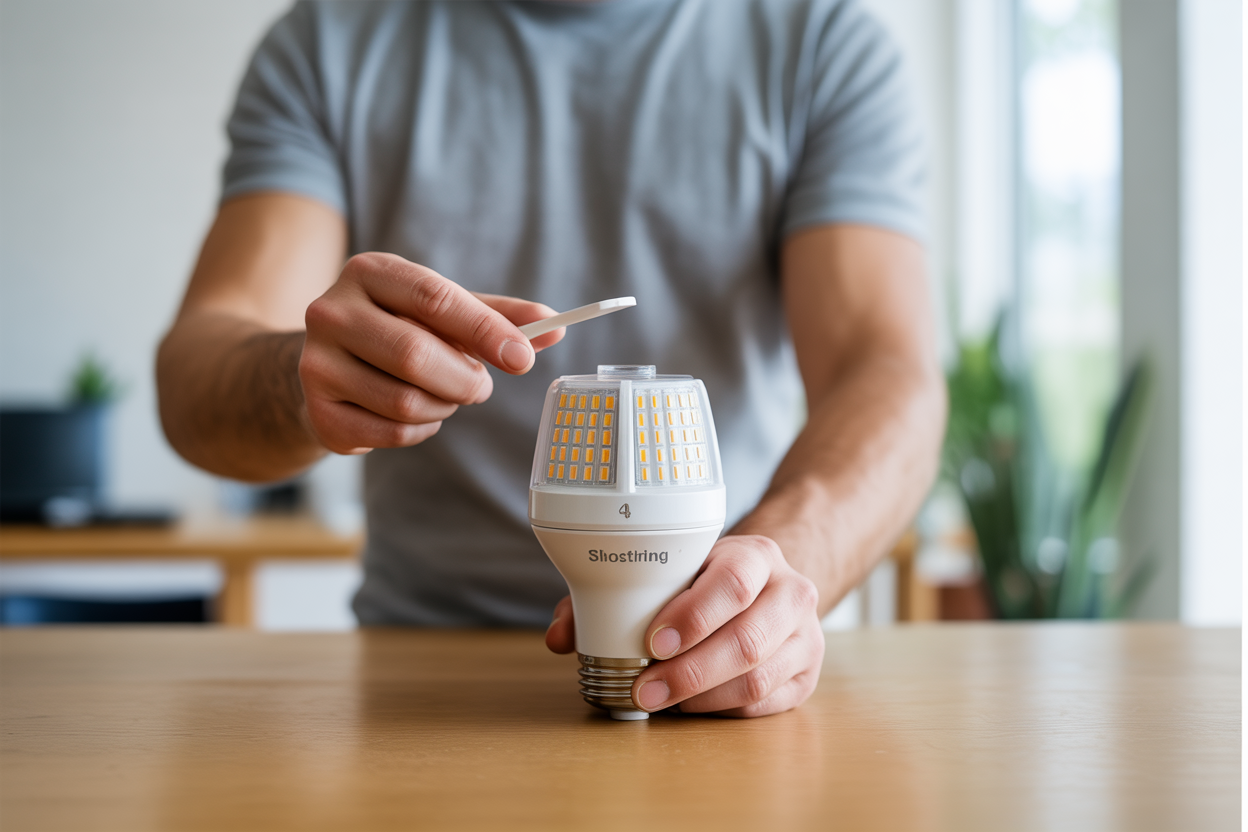
Ensure the bulb is rated for the fixture type, especially in enclosed or recessed lighting. Replace any damaged sockets or loose wiring. If multiple bulbs fail in the same area, the issue may be electrical rather than the bulb itself.
Professional inspections help determine whether the issue lies in the fixture, wiring, or electrical panel.
When LED Problems Point to Larger Electrical Issues
Repeated lighting problems across your home may indicate overloaded circuits or outdated electrical components. Voltage instability can affect not only lighting but also appliances and electronics.
For businesses or properties with complex systems, professional commercial electrical services ensure lighting reliability while maintaining code compliance and system safety.
According to the U.S. Department of Energy (2024), LED systems perform best when paired with modern electrical infrastructure that supports consistent voltage and proper load distribution.
Preventing Future LED Light Problems
Long-term prevention focuses on system stability and quality components. Best practices include:
- Using high-quality LED products
- Installing compatible dimmers and switches
- Avoiding overloaded circuits
- Scheduling periodic electrical inspections
These steps reduce maintenance costs and extend the life of both lighting and electrical systems.
Why Professional Electrical Service Makes the Difference
While some LED issues are simple, others require trained expertise. Licensed electricians identify underlying problems that DIY fixes often miss, preventing repeated failures and safety risks.
At Super Fast Electric, our team focuses on long-term solutions, not temporary fixes. If you are repeatedly searching how to fix LED lights without lasting results, professional diagnosis can save time, money, and frustration.
If you want to speed this process up and fix LED lighting problems safely, get in touch with our team to schedule a service visit.
References
U.S. Department of Energy. (2024). LED lighting basics and performance considerations. Energy.gov. https://www.energy.gov/energysaver/led-lighting
U.S. Fire Administration. (2024). Residential building electrical malfunction fire trends. USFA.FEMA.gov. https://www.usfa.fema.gov/statistics/residential-fires/electrical.html