
Smart light bulbs are advertised as simple upgrades that add convenience, automation, and energy savings to your home. Yet many homeowners hesitate before installing them because the technology feels unclear. Terms like Wi-Fi enabled, Bluetooth control, hubs, and automation raise a basic but important question: how do smart light bulbs work, and what actually happens once they are installed?
At Super Fast Electric, we regularly speak with homeowners who want modern lighting but do not want unnecessary complexity, wasted electricity, or installation problems. This guide explains how smart light bulbs function, how they connect to your home, how much electricity they use, and when professional electrical services can help ensure everything works the way it should.
What Makes Smart Light Bulbs Different From Standard Bulbs
Traditional light bulbs operate on a simple principle. Power flows through the fixture, the switch completes the circuit, and the bulb turns on. Smart light bulbs still rely on that same electrical foundation, but they include additional components that allow them to communicate, adjust brightness, change color, and respond to commands.
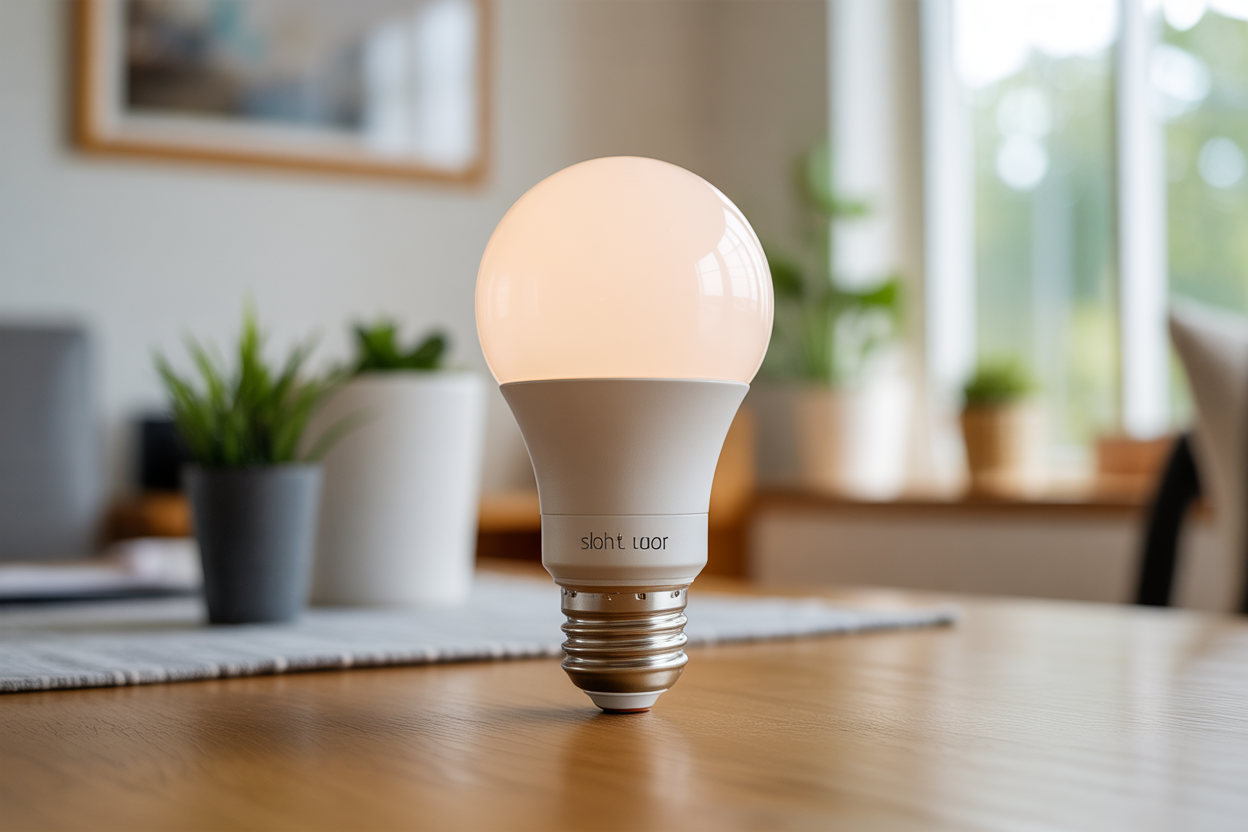
Inside most smart light bulbs are LED chips, a small processor, and a wireless communication module. LEDs use significantly less electricity than incandescent bulbs while producing the same amount of light. The processor acts as the bulb’s control center, receiving signals from an app or voice assistant and adjusting the light output accordingly. This is what allows smart light bulbs to dim, change color temperature, or turn on automatically based on schedules.
How Smart Light Bulbs Connect to Your Home
Understanding connectivity is key to understanding how smart light bulbs work in real life. Most smart light bulbs connect to your home in one of three ways.
Wi-Fi smart bulbs connect directly to your home’s wireless network. This allows you to control lights remotely from anywhere with an internet connection. Bluetooth smart bulbs connect directly to your phone but typically have a shorter range. Some systems use a hub that acts as a bridge between the bulbs and your network, which can improve reliability in larger homes.
Regardless of connection type, the bulb must receive constant power to remain responsive. This is why many smart lighting systems recommend leaving the wall switch in the “on” position and controlling the light digitally instead.
How Do Smart Light Bulbs Work With Apps and Voice Control
Once installed, smart light bulbs communicate with software platforms that translate user commands into electrical actions. When you tap a button in an app or say a voice command, the signal is sent through your network to the bulb’s processor. The processor then adjusts voltage flow to the LED components to produce the desired brightness or color.
This digital layer is what enables automation. You can program smart light bulbs to turn on at sunset, dim at bedtime, or activate when motion is detected. For homeowners, this can improve convenience and add a sense of security when lights respond automatically while you are away.
Do Smart Lights Use More Electricity Than Regular Bulbs?
A common concern is whether smart lighting increases energy usage. Many homeowners ask whether smart lights use more electricity simply because they stay connected.
According to the U.S. Department of Energy (2024), LED bulbs use up to 75 percent less energy than incandescent lighting. Since most smart light bulbs are LED-based, they are far more efficient during normal operation. Smart bulbs do consume a small amount of standby power so they can remain connected and responsive, even when the light is off. However, research on standby energy use shows that this draw is minimal and typically measured in fractions of a watt (International Energy Agency, n.d.).
For most homes, the energy savings from LED efficiency outweigh the small standby consumption, especially when smart features are used to reduce unnecessary lighting time.
Where Electrical Systems Matter More Than the Bulb Itself
While smart light bulbs are often marketed as simple upgrades, their performance still depends on the condition of your home’s electrical system. Older wiring, inconsistent voltage, or overloaded circuits can cause flickering, delayed responses, or connection failures.
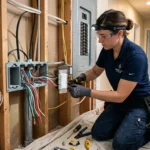
This is where working with a licensed electrician becomes valuable. Professional electrical services ensure that fixtures, switches, and circuits can support modern lighting technology safely. If you are upgrading multiple rooms or integrating smart lighting with other smart home devices, an electrician can help prevent issues before they arise.
Homeowners exploring broader lighting upgrades often benefit from consulting a professional through residential electrical services that address wiring integrity, switch compatibility, and long-term reliability.
When Smart Lighting Is Part of a Bigger Electrical Upgrade
Smart light bulbs are often the first step toward a more automated home. As homeowners add smart switches, dimmers, outdoor lighting, or security-focused lighting systems, the electrical demands can increase. At that point, it is no longer just about the bulb.
Super Fast Electric frequently assists homeowners who want their smart lighting to work seamlessly with the rest of their electrical setup. Whether the goal is improved efficiency, better control, or future-ready upgrades, working with experienced electricians ensures that smart technology enhances your home rather than complicating it. Many homeowners also explore full residential electrician services when expanding beyond a single lighting upgrade.
Making Smart Lighting Simple and Reliable
Smart light bulbs are designed to make life easier, but only when they are installed and supported correctly. Understanding how they work helps homeowners make informed decisions about energy use, connectivity, and long-term performance. With the right setup, smart light bulbs can reduce wasted electricity, improve comfort, and give you greater control over your home environment.
If you want to speed this process up or make sure your lighting upgrade is done correctly, get in touch with our team through the Super Fast Electric contact page to schedule a professional consultation and take the guesswork out of smart lighting.
References
International Energy Agency. (n.d.). Standby of smart lamps: First findings. IEA-4E SSL Annex. https://www.iea-4e.org/ssl/our-work/standby-of-smart-lamps-first-report/
Security.org. (n.d.). How smart light bulbs work. Security.org. https://www.security.org/smart-home/smart-lights/
U.S. Department of Energy. (2024). LED lighting facts and efficiency guidelines. Energy.gov. https://www.energy.gov/energysaver/led-lighting