
What Electrical Risks Does a Hurricane Create for Florida Homes?
Hurricane electrical safety in Florida took on new urgency in 2026 when Hurricane Isaias made landfall near Destin on October 9 as a Category 2 hurricane, leaving more than 430,000 Florida customers without power and exposing the same vulnerabilities that exist in homes throughout Central Florida, including Orange, Seminole, and Osceola counties. For homeowners who followed a pre-storm checklist before the season (see our hurricane electrical preparation guide), this post picks up where that one left off: what to inspect, repair, and upgrade now that the storm has passed.
Surge damage often goes undetected. Power restoration after an outage sends voltage spikes through the grid that can damage appliances, HVAC systems, and panel components without any visible sign until something fails weeks later.
Water and moisture compromise outdoor electrical components. Central Florida’s humidity and storm activity cause outdoor receptacles to erode internally, which is why weather-resistant (WR-rated) receptacles are essential for every exterior outlet.
Backup power is no longer a luxury in Florida. The 2026 hurricane season produced its first hurricane in October, proving that storm risk extends through November 30 and that generator readiness cannot wait until a named storm forms.
What Hurricane Isaias Did to Florida’s Grid
Hurricane Isaias formed late on October 7, 2026, marking the latest start to an Atlantic hurricane season since satellite tracking began in 1966, according to AccuWeather. The storm intensified rapidly in the Gulf of Mexico, peaking as a Category 3 hurricane before making landfall near Destin, Florida around 8:30 p.m. CDT on October 9 as a Category 2 system with sustained winds near 110 mph.
According to poweroutage.us and Bloomberg reporting on October 10, more than 896,000 utility customers across Florida, Alabama, and Georgia lost power. In Florida alone, approximately 430,000 customers were in the dark. Governor Ron DeSantis confirmed nearly 448,000 without power across the state. The storm also spawned tornadoes as it moved inland, compounding damage to power infrastructure.
Florida’s Attorney General warned residents to watch for unlicensed contractors attempting to exploit storm victims during the recovery period. That warning applies to electrical work especially, since improper post-storm repairs to panels, wiring, and grounding systems can create fire and electrocution hazards that do not surface until the next time the system is under load.
Does Central Florida Need to Worry About Hurricane Damage?
Central Florida homeowners often assume that a storm hitting the Panhandle or the Gulf Coast does not affect them. That assumption ignores two realities that every electrician in this market sees firsthand.
First, the grid-level power surges that happen when utilities restore service after any major outage travel through the transmission network. A home 300 miles from the landfall zone can still receive a voltage spike when the regional grid cycles back on. Without proper surge protection, that spike damages sensitive electronics, HVAC control boards, and breaker components silently. The homeowner does not know anything happened until an appliance fails or a panel component overheats.
Second, Central Florida faces its own set of extreme electrical stress year-round. As we remind our customers regularly, Central Florida is the lightning capital of the world. That title goes back and forth between this region and one location in Africa. Because of that, every home in the area should already have surge protection at minimum. There are four types of surge protection, and electrical engineers recommend layering them for maximum coverage. A good, proper grounding system is equally important and works hand-in-hand with surge protection.
Isaias is a reminder to check what you already have in place, not just what the storm itself might have disturbed.
Your Post-Storm Electrical Inspection Checklist for Hurricane Electrical Safety in Florida (2026)
After any significant storm event in Florida, homeowners should walk through a basic electrical inspection before assuming everything is fine. Here is the sequence we recommend.
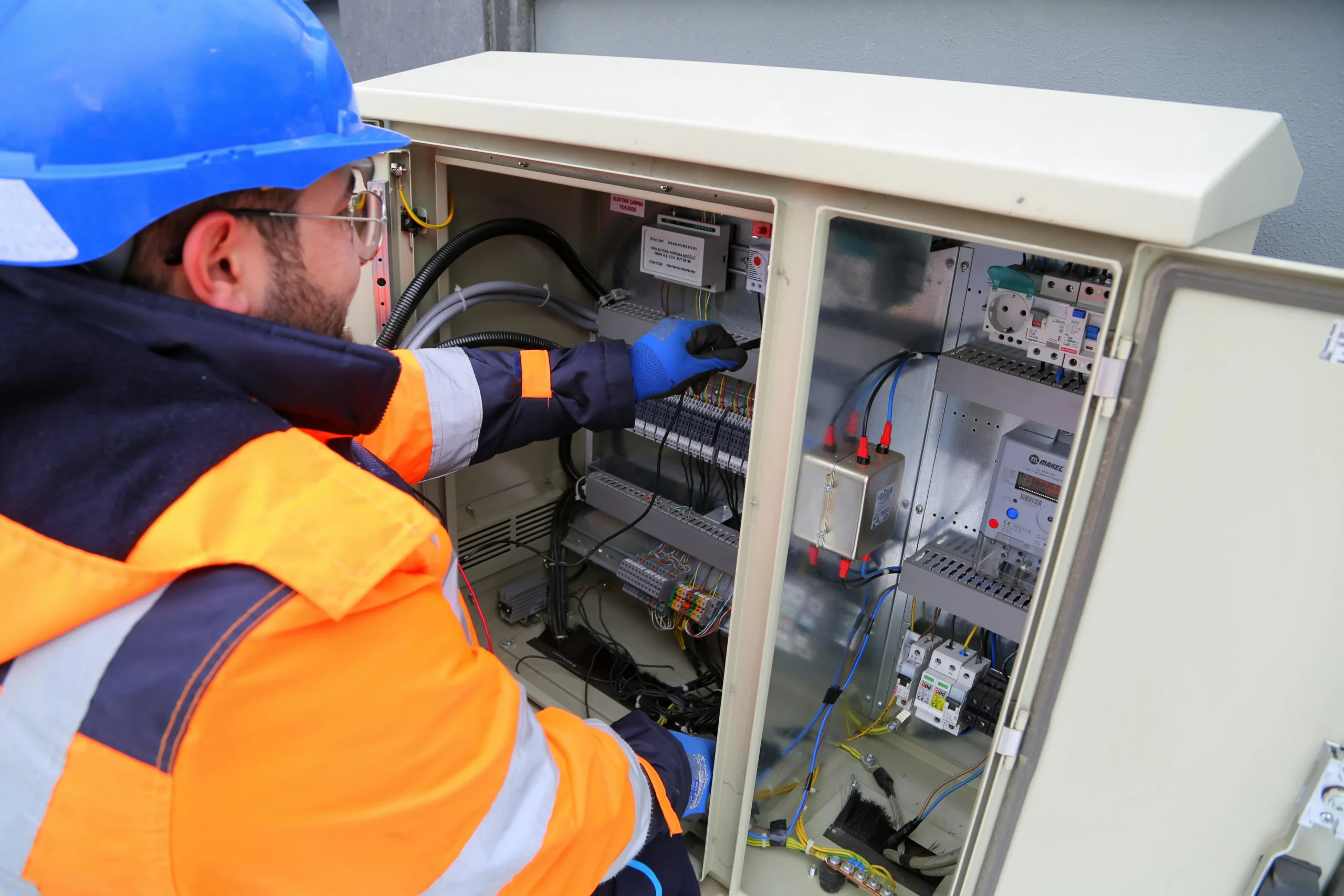
- Check the main breaker panel for signs of heat damage. Open the panel cover and look for discoloration, a burnt smell, or any breaker that feels warm to the touch. In a recent pre-purchase inspection in Oviedo, we discovered significant overheating damage in a main breaker panel that a general home inspector had missed entirely. The house was only about 12 years old.
- Test every GFCI outlet in the home. Press the test button, then the reset button. If the outlet does not trip and reset cleanly, it needs to be replaced. GFCI outlets are the first line of defense against electrocution in wet conditions.
- Inspect outdoor receptacles and covers. Moisture from rain and humidity causes outdoor outlets to erode internally. Look for cracked or missing covers, discolored faceplates, or any outlet that feels loose in the box. Upgrade to WR-rated (weather-resistant) receptacles wherever you have not already.
- Walk the exterior and check the service entrance and meter base. Look for loose or sagging lines between the utility pole and the house, damaged weatherhead connections, or standing water near the meter.
- Test surge protection devices. If you have a whole-house surge protector at the panel, check the indicator light. If the light is off or shows a fault, the device absorbed a surge and needs replacement. It did its job once; it will not do it again.
- Run every major appliance and HVAC system for at least 15 minutes. Listen for unusual sounds, check for error codes, and confirm normal operation. Surge damage to HVAC control boards is one of the most expensive post-storm repairs we see, and it often surfaces days or weeks after the event.
If your post-storm inspection turns up anything warm, discolored, or not functioning correctly, do not attempt the repair yourself. Our licensed electricians respond within hours during business hours, and every repair carries a warranty backed by our 100% satisfaction guarantee.
Why Surge Protection Is Not Optional in Florida
Surge protection is the single most cost-effective electrical upgrade a Florida homeowner can make, and most homes do not have it at the level they need. A basic power strip at the desk does not protect an HVAC system, a water heater, or a breaker panel. Whole-house surge protection installs at the main panel and intercepts voltage spikes before they reach any circuit in the home. To learn more about how surge protection works and why it matters, read our complete guide to surge protectors.
The layered approach that electrical engineers recommend includes four types of protection: Type 1 at the utility meter, Type 2 at the main panel, Type 3 at point-of-use outlets, and a strong grounding system tying it all together. Most homes we inspect in Central Florida have a power strip or two and nothing else. That gap leaves the HVAC, appliances, and panel itself completely exposed to the kind of surge that a hurricane restoration event or a direct lightning strike delivers.
The cost of a whole-house surge protector installation is a fraction of what a single HVAC control board replacement costs after a surge event. For homeowners also considering backup power, pairing a whole-house generator with surge protection creates a system that both keeps power on and protects the circuits when utility power returns. See our comparison of whole-house generators vs. battery backup systems for the full breakdown.
Common Mistakes After a Hurricane
The most dangerous mistake homeowners make after a storm is assuming that everything is fine because the power came back on. Power restoration does not mean the system is safe. It means electricity is flowing. Whether it is flowing safely through properly rated conductors and undamaged components is a separate question.
We see homeowners make the same errors after every major weather event in Central Florida:
Skipping the panel inspection. The panel is where surge damage, overheating, and water intrusion do the most harm. A breaker that looks normal but has been thermally compromised will not trip when it should, which is a fire hazard. A post-storm panel check takes less than 15 minutes and costs nothing if you do the visual portion yourself.
Hiring an unlicensed contractor for storm repairs. Florida’s Attorney General issued a warning after Isaias specifically about this. Unlicensed electrical work is illegal under Florida statute, voids your homeowner’s insurance coverage for any resulting damage, and creates hazards that a licensed electrician has to undo later at additional cost. Always verify the contractor’s license through the Florida DBPR portal before allowing work to begin.
Ignoring the surge protector indicator light. A whole-house surge protector is a sacrificial device. Once it absorbs a major surge, the internal components degrade and the device no longer provides full protection. If the indicator light shows a fault, the protector needs to be replaced, not reset.
Running a portable generator without proper grounding or transfer switch. A generator backfeeding into the main panel without a transfer switch creates a lethal risk for utility lineworkers and can destroy appliances when utility power returns simultaneously. Every portable generator used during a power outage must be connected through a manual or automatic transfer switch installed by a licensed electrician.
Delaying HVAC testing after power restoration. Surge damage to HVAC control boards is cumulative and often invisible at first. Running the system for 15 minutes after power returns catches error codes and abnormal behavior early, before the compressor or blower motor fails during the next heat wave.
Frequently Asked Questions
Should I have my electrical panel inspected after a hurricane?
Yes. Even if your home did not take a direct hit, grid-level power surges during restoration can damage panel components, breakers, and wiring connections. A visual check for discoloration, heat damage, and burnt smell is the minimum. A licensed electrician can perform a full inspection with thermal imaging to catch damage that is not visible.
How do I know if my surge protector is still working?
Check the indicator light on the device. A whole-house surge protector at the main panel has an LED that shows green when active and red or off when the device has absorbed a surge and needs replacement. Point-of-use surge protectors (power strips) have a similar indicator. If the light shows a fault, replace the device.
Can a power surge damage my HVAC system?
Yes. HVAC control boards are among the most surge-sensitive components in a home. A voltage spike during power restoration can damage the board without triggering any immediate failure. The system may run normally for days or weeks before the damaged board fails. Run the HVAC for at least 15 minutes after every outage and watch for error codes.
Is it safe to use a portable generator without a transfer switch?
No. A portable generator connected directly to the panel without a transfer switch backfeeds electricity into the utility grid, creating a lethal hazard for lineworkers restoring power. It also risks destroying appliances when utility and generator power collide. A manual or automatic transfer switch installed by a licensed electrician is required for safe generator use.
How do I verify that an electrician is licensed in Florida?
Search the Florida Department of Business and Professional Regulation (DBPR) online license verification portal. Enter the contractor’s name or license number. Every licensed electrician in Florida holds either an EC (electrical contractor) or ER (electrical registered) license. If the contractor cannot provide a license number, do not allow them to perform work on your home.
Does homeowner’s insurance cover electrical damage from a hurricane?
Most standard Florida homeowner’s policies cover wind and storm damage to electrical systems, including panel damage, wiring, and surge-related appliance losses. However, coverage varies by policy and may require a separate hurricane deductible. Document everything with photos before repairs begin and file the claim before hiring a contractor.
Next Steps
If you followed a pre-storm checklist, review our hurricane electrical preparation guide to confirm everything is still in place after Isaias.
Want to understand surge protection options? Read our full guide on what a surge protector is and how it works.
Considering backup power? See our comparison of whole-house generators vs. battery backup.
If your breaker keeps tripping after the storm, start with our troubleshooting guide on why your circuit breaker keeps tripping.
Ready to schedule a post-storm inspection or install whole-house surge protection? Super Fast Electric serves Orange, Seminole, and Osceola counties with same-day response during business hours.
Hurricane season runs through November 30, and the grid-level surges from Isaias may have already damaged components in your home that have not failed yet. Super Fast Electric is a fully licensed electrical contractor (FL License #EC13013514) serving Central Florida with same-day response, upfront pricing, and a 100% satisfaction guarantee on every job. Whether you need a post-storm panel inspection, whole-house surge protection, or a generator transfer switch installation, we handle it start to finish.