
QUICK-ANSWERS
What Is a Surge Protector?
A surge protector shields your electronics from voltage spikes by diverting excess energy safely to ground. It is not the same as a power strip, which only adds outlets and offers no protection.
Point-of-Use vs. Whole-Home: A plug-in strip protects only what is plugged into it. A whole-home surge protector, installed at your panel, protects the entire house, and the 2020 NEC now requires one on dwelling services.
Why It Matters in Florida: Central Florida’s high lightning activity makes whole-home surge protection one of the smartest upgrades a local homeowner can make.
Service Area: Central Florida, including Orlando, Winter Park, Oviedo, Longwood, Clermont, and surrounding communities.
What Is a Surge Protector?
A surge protector is a device that shields your electronics from sudden spikes in voltage, called power surges. When the voltage flowing to your devices briefly jumps above the normal level, that excess energy can degrade or destroy sensitive electronics, from computers and televisions to the control boards inside modern refrigerators, washers, and air handlers. A surge protector intercepts that excess voltage and diverts it safely to ground before it reaches your equipment.
Surges come from two directions. External surges are triggered by lightning and by utility grid switching, and in Florida the lightning risk is very real. Internal surges, which are smaller but far more frequent, happen every time a large motor load like an air conditioner or pool pump cycles on and off. Most people only worry about the dramatic lightning strike, but it is the steady drip of small internal surges that quietly shortens the life of your electronics over years.
How a Surge Protector Works
A surge protector monitors the voltage passing through it. The instant it detects a spike, it shunts the excess energy to the ground wire instead of letting it pass to your devices. Most units do this with components called metal oxide varistors, or MOVs, which absorb and redirect surge energy.
The capacity of a surge protector is measured in joules, which is how much surge energy it can absorb over its lifetime before it wears out. A higher joule rating means more protection and a longer useful life. This is also why surge protectors do not last forever: every surge they absorb uses up some of that capacity, so a unit that has taken a big hit, or many small ones, may no longer be protecting anything even though your devices still power on.
Power Strip vs. Surge Protector
This is the most common and most expensive misunderstanding we see. A power strip and a surge protector can look identical, and both give you extra outlets, but only one protects your equipment. A plain power strip simply splits one outlet into several. It offers no surge protection at all. A surge protector contains the MOV-based suppression circuitry described above. If the packaging or the unit does not state a joule rating and a UL 1449 listing, which is the safety standard for surge protective devices, assume it is just a power strip.
The Real Upgrade: Whole-Home Surge Protection
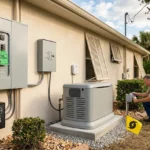
Here is what most articles leave out, and where a plug-in strip falls short. A point-of-use surge protector only protects what is plugged into it. It does nothing for your HVAC system, your range, your well pump, your EV charger, or the LED drivers now built into your lighting. Whole-home surge protection is a surge protective device installed at your electrical panel, where it intercepts surges before they enter your home’s branch circuits and protects everything downstream.
In the surge protection world these are classified by type. A Type 1 or Type 2 SPD is the hardwired, panel-level device that delivers whole-home protection. A Type 3 SPD is the point-of-use strip at your desk. The two work best as layers: the panel-level device knocks down the large external surges from lightning and the utility, and a point-of-use strip adds a final layer for your most sensitive gear. In a Florida home, the panel-level device is the one that actually matters against lightning.
Want to know if your home has real surge protection at the panel, or just power strips? Super Fast Electric installs whole-home surge protection across Central Florida.
Electrical Code Now Requires It
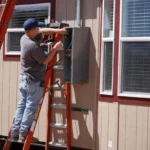
Whole-home surge protection is not just a good idea anymore, it is code. The 2020 National Electrical Code added Article 230.67, which requires a surge protective device on all services supplying dwelling units, and specifies it must be a Type 1 or Type 2 SPD. Critically, that requirement also applies when a home’s existing service equipment is replaced, so if you upgrade or replace your electrical panel, a whole-home SPD comes with it under current code. The 2023 NEC expanded the same requirement to more occupancy types. Point-of-use power strips are Type 3 devices and do not satisfy this requirement, which is exactly why the panel-level device matters. If your electrical panel is older or due for replacement, this is part of bringing it up to today’s standard.
Why Florida Homes Need This More Than Most
Central Florida is not an average surge-risk area. This region sees more lightning activity than nearly anywhere else in the country, and every strike near a power line is a potential surge event for the homes it feeds. Combine that with our reliance on high-draw equipment running through the summer, air conditioning, pool pumps, well pumps, and the growing number of homes adding EV chargers and solar, and the surge exposure here is genuinely higher than in most of the country. When we assess a home’s electrical safety, surge protection is one of the first things we check, because the cost of a whole-home SPD is a fraction of replacing an HVAC control board or a houseful of electronics after one storm.
When to Replace a Surge Protector
Surge protectors wear out, and a dead one gives no warning unless you look. Replace a point-of-use unit every few years, and sooner after any major surge event or nearby lightning strike. Signs it is time:
- The protection indicator light is off, while the outlets still have power.
- Visible scorching, melting, or damage to the housing.
- It followed a known lightning strike or major surge in your area.
Panel-level SPDs also have a service life and many have their own status indicator, which a licensed electrician checks during an electrical safety inspection.
How to Reduce Surges in the First Place
- Do not overload circuits. Spread high-draw devices across different circuits rather than daisy-chaining them.
- Unplug sensitive electronics during a severe thunderstorm if they are not behind whole-home protection.
- Keep your electrical system maintained and have it inspected periodically, especially in older homes.
- Layer your protection: a panel-level SPD plus point-of-use strips for your most valuable electronics.
Frequently Asked Questions
What is a surge protector?
A device that protects your electronics from voltage spikes by diverting excess energy to ground before it reaches your equipment. It is different from a plain power strip, which only adds outlets.
What does a surge protector do?
It detects a spike in voltage and shunts the excess to the ground wire, keeping that energy from damaging plugged-in devices. Whole-home units do this at the panel for the entire house.
Do I really need a surge protector in Florida?
Yes. Central Florida’s high lightning activity and heavy summer electrical loads make surge protection more important here than in most of the country, and whole-home protection is the most effective safeguard.
What is the difference between a power strip and a surge protector?
A power strip only provides extra outlets. A surge protector adds suppression circuitry, measured in joules and listed to UL 1449, that protects against voltage spikes.
Does a whole-home surge protector stop lightning?
It protects against the surges lightning and grid events push into your wiring, which is what actually damages equipment. No device makes a home immune to a direct strike, which is why layering panel-level and point-of-use protection is best.
Is surge protection required by code?
Yes. The 2020 NEC (Article 230.67) requires a Type 1 or Type 2 surge protective device on dwelling unit services, including when the service equipment is replaced.
Protect Your Home Before the Next Storm Super Fast Electric is Central Florida’s trusted, licensed electrical contractor, and whole-home surge protection is one of the smartest upgrades you can make here.